
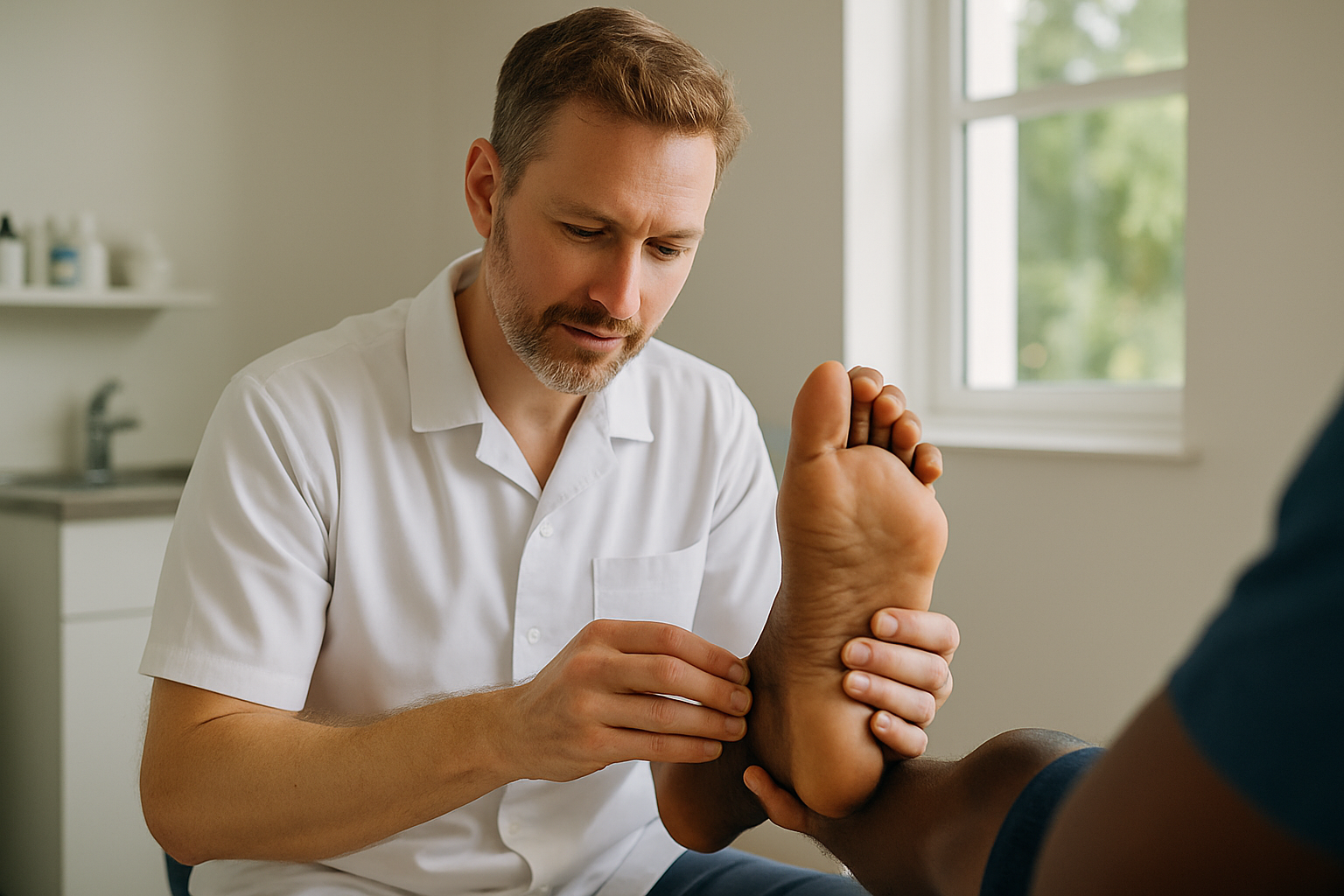
Imagine waking up one morning in Holetown, Barbados, ready to enjoy a stroll along the beautiful west coast, only to be halted by unexpected foot pain. This scenario is more common than many realize, and often, such discomfort could have been prevented with routine foot screenings. Regular assessments by a qualified podiatrist are essential in maintaining foot health and preventing conditions that can impede daily activities.
Routine foot screenings involve comprehensive evaluations of the feet and ankles to detect potential issues before they become serious problems. These assessments typically include:
– **Visual Inspection**: Checking for deformities, skin changes, or signs of infection.
– **Palpation**: Feeling the foot structures to identify areas of tenderness or abnormality.
– **Range of Motion Tests**: Assessing the flexibility and movement of joints.
– **Neurological Assessments**: Evaluating nerve function, especially important for individuals with diabetes.
– **Vascular Assessments**: Checking blood flow to ensure adequate circulation.
These screenings are vital for early detection of conditions such as plantar fasciitis, bunions, and diabetic foot complications.
Early detection through routine screenings can prevent minor issues from escalating into severe problems. For instance, identifying and treating a developing bunion early can prevent the need for surgical intervention later. Similarly, early detection of diabetic neuropathy can lead to interventions that prevent ulcers and amputations.
In Holetown, where an active lifestyle is common, maintaining foot health is crucial. Regular screenings ensure that residents and visitors can continue to enjoy activities like beach walks and water sports without discomfort.
Routine foot screenings often uncover various conditions, including:
– **Plantar Fasciitis**: Characterized by heel pain, especially in the morning.
– **Bunions**: Bony bumps that form on the joint at the base of the big toe.
– **Diabetic Neuropathy**: Nerve damage in the feet due to diabetes, leading to loss of sensation.
– **Ingrown Toenails**: When the edge of a toenail grows into the surrounding skin, causing pain and potential infection.
– **Fungal Infections**: Such as athlete’s foot or fungal toenails, which can be persistent without proper treatment.
Identifying these conditions early allows for prompt treatment, reducing the risk of complications.
Residents and visitors in Holetown have access to comprehensive podiatry services. Podiatry International, located at Sandy Crest Medical Centre in Sunset Crest, offers a range of treatments, including:
– **Cold Laser Therapy**: A painless, advanced treatment for stubborn fungal nails.
– **Shockwave Foot Therapy**: Targeted pressure waves to heal chronic heel and arch pain.
– **Custom Biomechanical Orthotics**: Individually crafted inserts to correct posture and alleviate pressure.
– **In-Clinic Minor Procedures**: Minimally invasive care for ingrown toenails and wart removals.
These services are designed to address a wide range of foot and ankle conditions, ensuring optimal foot health for the community. [1]
Podiatrists play a crucial role in preventive care by:
– **Educating Patients**: Providing guidance on proper foot care practices.
– **Recommending Appropriate Footwear**: Suggesting shoes that provide adequate support and fit.
– **Developing Personalized Treatment Plans**: Tailoring interventions to individual needs.
– **Monitoring Chronic Conditions**: Keeping track of ongoing issues to prevent deterioration.
By partnering with a podiatrist, individuals can take proactive steps toward maintaining foot health.
In Barbados, podiatrists are regulated by the Paramedical Professions Council, ensuring that practitioners meet professional standards and provide safe, ethical care. All qualified professionals are required to apply to the Council to be registered before practicing in Barbados. [2]
It’s advisable to schedule a foot screening if you experience:
– **Persistent Pain**: Discomfort that doesn’t improve with rest.
– **Visible Deformities**: Changes in foot shape or alignment.
– **Skin or Nail Changes**: Discoloration, thickening, or other abnormalities.
– **Numbness or Tingling**: Sensations that may indicate nerve issues.
– **Difficulty Walking**: Challenges in mobility or balance.
Even without symptoms, annual screenings are beneficial, especially for individuals with diabetes or other risk factors.
**Q: How often should I have a foot screening?**
A: Industry professionals recommend annual screenings for most individuals. However, those with diabetes or other risk factors may require more frequent assessments.
**Q: Are foot screenings painful?**
�